
Our Mission and Commitment
Extending the transformative power of the Milk Drop Method through innovative and developmentally appropriate tools to provide consistent, positive sensory experiences to premature and critically ill infants during their most vulnerable developmental window. Our promise is to honor each infant's developmental journey.
Lily's Story
Our Foundation
For over 30 years, Barb O'Rourke has been feeding premature infants. Then one night, one baby and one moment changed how we care for our premature infants.
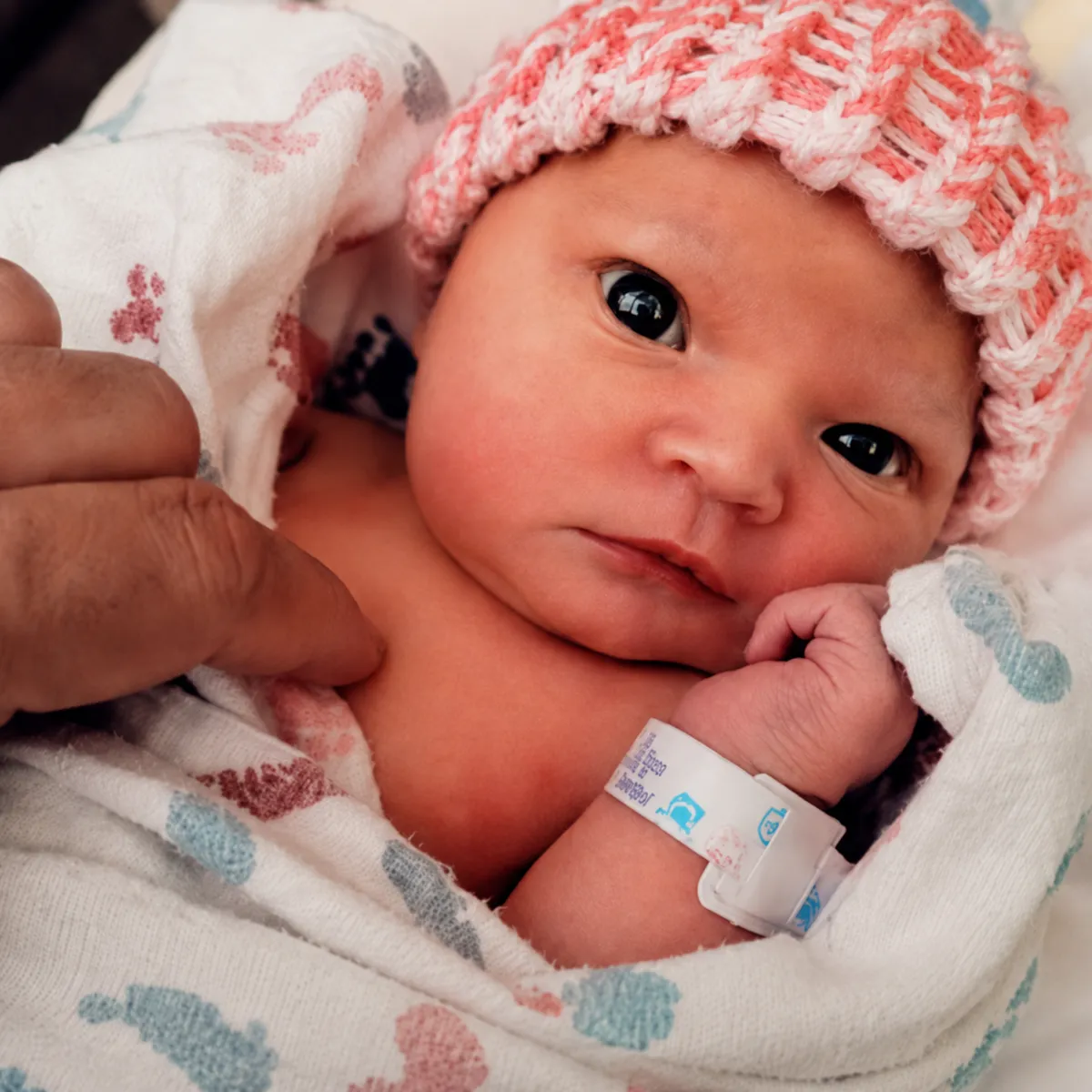
That night, Barb was assigned to care for Lily, a preemie born at 27 weeks. After completing her cares and nesting her in, Barb placed a drop of her mother's milk on Lily's lips. Lily seemed to smile as she pulled her little hands closer to her face and began to suck stronger and longer. Her mother was at the bedside crying and laughing all at the same time.
Barb did not take care of Lily again until the night before her scheduled G-tube at 42 weeks. Lily had become severely aversive, however her history showed no medical reason for this aversion - no reflux, no vocal cord paralysis, no milk allergies, no aspiration, nothing This was that moment and the reality emerged: "THAT WE DID THIS”...just like the research says...all those negative oral experiences...it had happened so gradually...right before our very eyes."
The Evolution to MiDI™
Due to the concern of oral aversion, an IRB approved research project was initiated called the Milk Drop Study. Milk drops would be offered to premature infants for the sole purpose of oral enjoyment. The method also allowed the infant to safely practice and gain experience sucking, swallowing, and breathing with droplets of milk. The results of the study showed 9 out of 10 of the subject groups had a shorter length of stay...the most significant seen in the smallest and most fragile of infants. Ongoing research has shown a reduction in length of stay, improved engagement, organization, coordination, and physiological stability when oral feeding are started, improved infant state, improved parent bonding, increased breastfeeding, increased head growth, engagement of the esophagus and sphincters, and decreased NG-tube placement at discharge.
However, even with such great results, the nurses and therapists acknowledged that pacifiers completely covers the infant’s face. To offer milk drops, the pacifier needs to be moved or completely pulled out. Each caregiver offered the intervention differently.
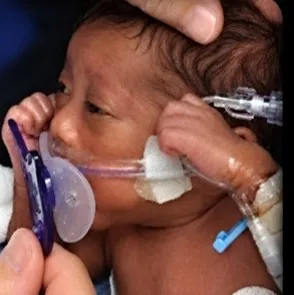
Pacifier covers face
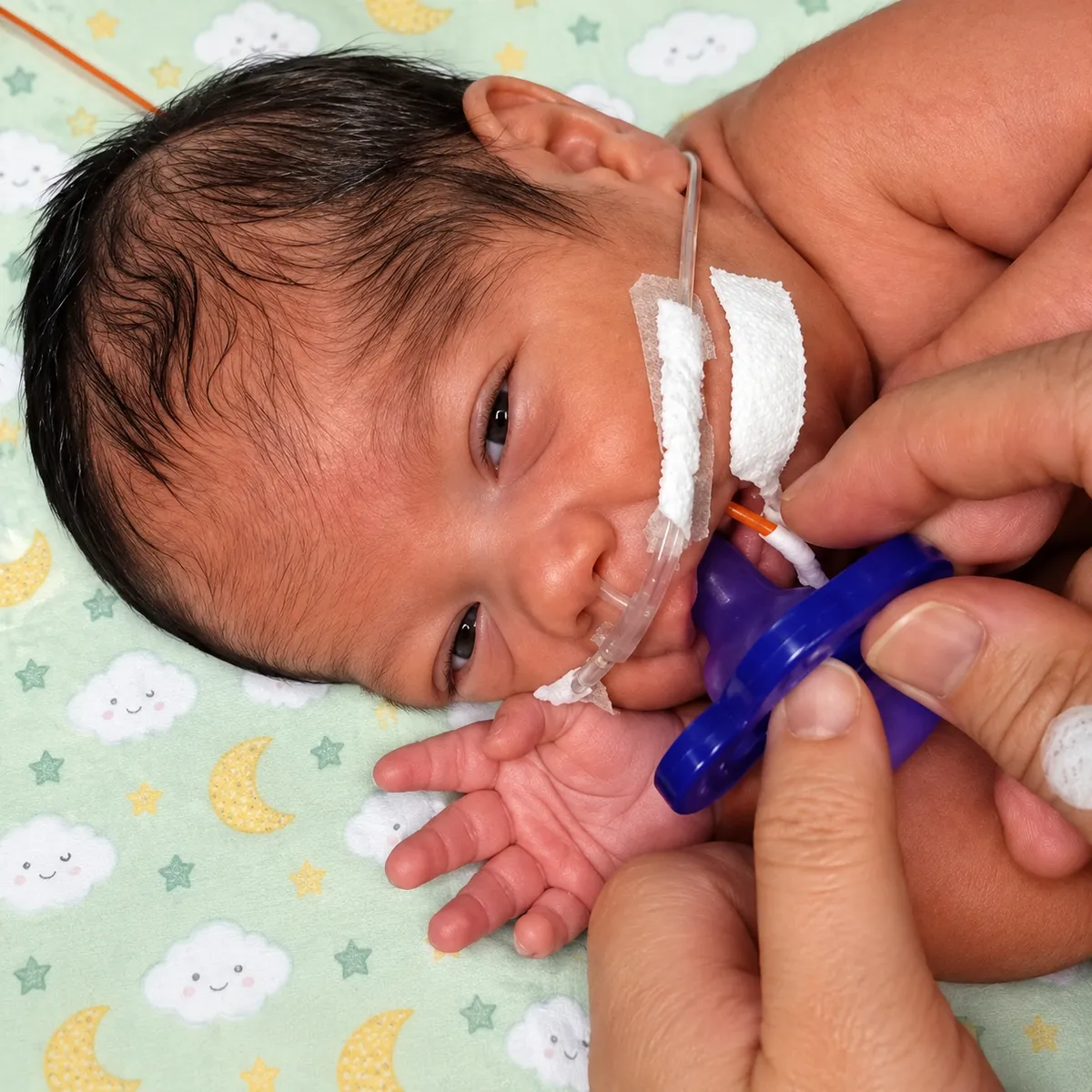
Pacifier needs to be moved
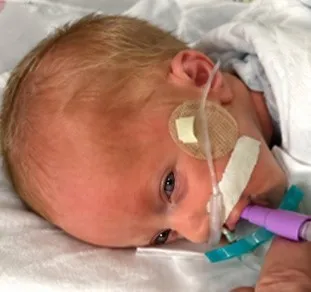
Inconsistent intervention
Pacifier covers face
Pacifier needs to be moved
Inconsistent intervention
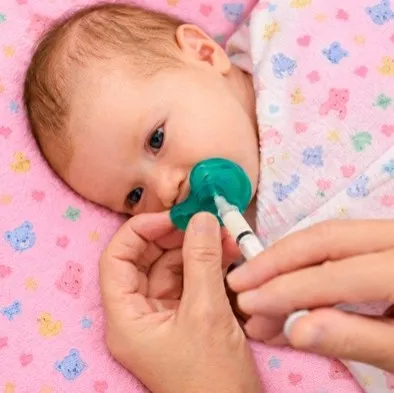
After years of research and engineering, the MiDi™ Developmental Milk Drop System
...was specifically designed to make the Milk Drop Intervention a consistent process. As the caregiver responds to the infant’s cues, micro-droplets of milk are delivered through the short canal of the soother...directly into the infant’s cheek. The soother never needs to move. This allows the infant to naturally and safely practice sucking and swallowing without disruption, while the caregiver remains in complete control. Consistency is the key to wiring these positive oral experiences to the association of hunger and the enjoyment of eating and feeling full.
Contact
Questions? Let's talk.
Send us a note about products, training, implementation, or research collaboration – one of our team members will reach out.
(515) 220-8900
5746 Quarry Drive, Ames, IA 50010
© 2026 MiDI™ LLC. All Rights Reserved.